![[Translate to Englisch:] Achim Hamann](/fileadmin/_processed_/1/3/csm_achim_hamann_5edf4c4ea1.png "[Translate to Englisch:] Achim Hamann")
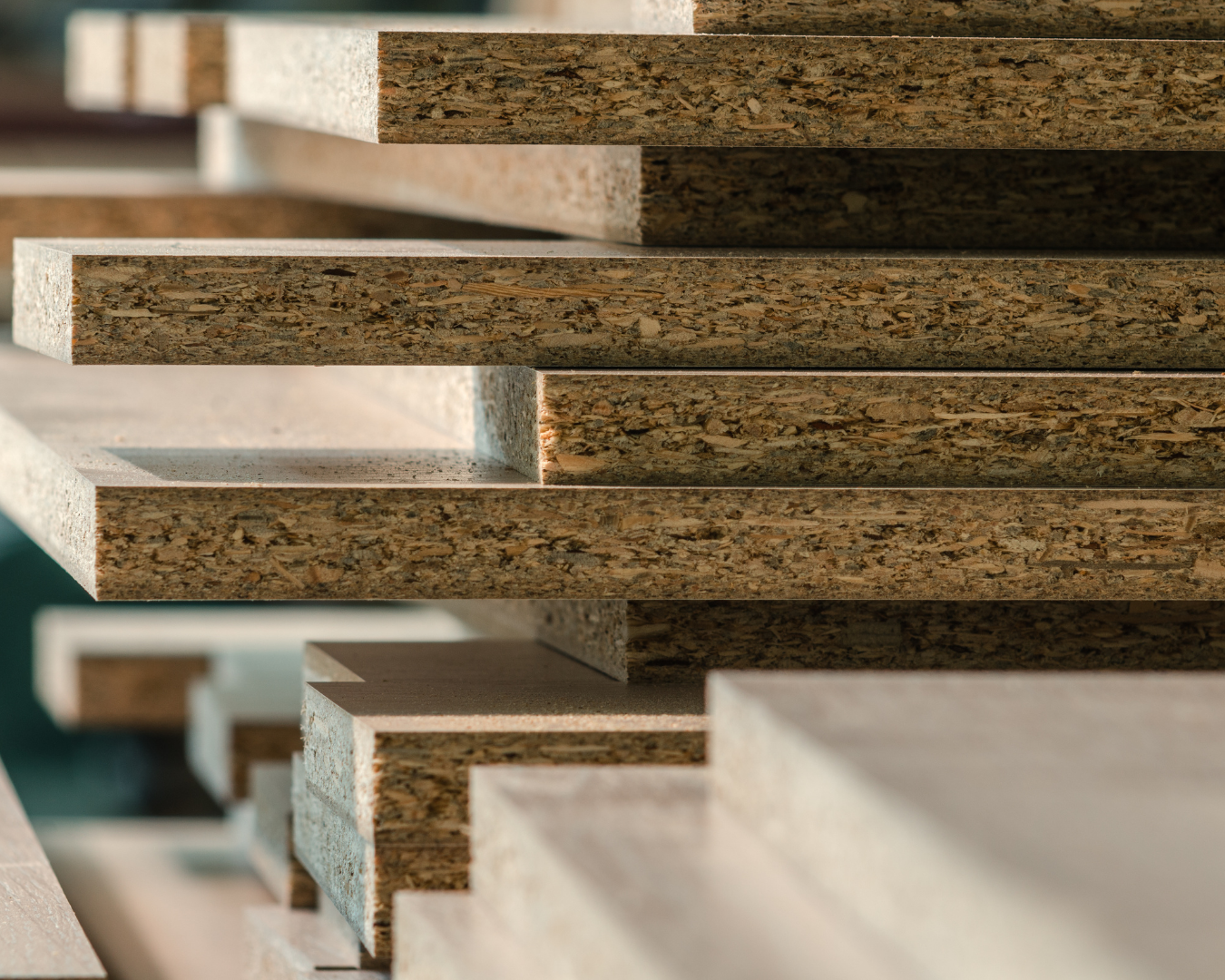
Whether furniture panels, acoustic elements or upholstery materials – in many industrial applications, recycled materials are shredded, mixed with binding agents and then pressed under heat and pressure to form stable panels. This pressing process is a central component of modern panel production. At the same time, it places high demands on process reliability and surface quality.
As soon as mixtures containing binding agents are processed in the hot press, there is a risk that the material will stick to the press plates or adjacent layers. This is exactly where siliconised release paper comes into play. As a reliable intermediate layer, it ensures that the finished panels can be removed cleanly and without residue after the pressing process.
With BRANOperl, BRANOpac offers a siliconised release paper that has been specially developed for industrial manufacturing processes and has proven particularly effective in the pressing of recycled materials in furniture and board production.
Key Facts
- Silicone-coated release paper prevents adhesion of binder-containing recycled materials during the pressing process.
- BRANOperl is used as an intermediate layer in hot presses and enables clean, residue-free removal of finished panels.
- The use of release paper reduces cleaning effort, downtime and reject rates in furniture and panel production.
- As a pure process aid, BRANOperl does not remain in the final product and supports stable, reproducible manufacturing processes.
Release Paper in Pressing Processes: Challenges When Pressing Recycled Materials
In the production of furniture or acoustic panels from recycled raw materials, the material is first mechanically processed and shredded, then mixed with a suitable binder. This mixture is subsequently compressed into dimensionally stable panels in a hot press under pressure and temperature.
Without a suitable release layer, typical challenges include adhesion to press plates, bonding between layers, binder residues, surface defects and increased cleaning effort. For visible furniture or design panels, even minor defects can lead to rejects and additional rework.
Silicone-Coated Release Paper as a Solution: BRANOperl in Hot Press Applications
Silicone-coated release paper acts as an anti-adhesion intermediate layer during pressing. The silicone coating ensures clean separation after the press cycle and supports consistent surface quality.
- Reliable anti-adhesion performance
- Stable behavior under heat and pressure
- Residue-free removal after pressing
- Consistent release properties across the entire surface
As a pure process aid, the paper is removed after pressing and does not remain in the final product.
Release Paper as an Intermediate Layer in Binder-Based Panel Production
In practice, recycled material is shredded, mixed with a binder and pressed into panels. BRANOperl is inserted as an intermediate layer to prevent sticking to press plates or between layers. After pressing, the paper can be removed cleanly and without residue.
Further Applications of Release Paper: Versatile Uses with BRANOperl
- Processing adhesive or resin-based compounds
- Laminating and coating processes
- Manufacturing composite materials
- Surface protection during processing
Efficient Pressing Processes with Release Paper: Benefits for Quality and Process Reliability
- Reduced cleaning effort
- Improved surface consistency
- Higher process reliability
- Lower reject rates
- Protection of press equipment

Would you like to optimize your pressing processes and reliably prevent material adhesion? With silicone-coated release paper such as BRANOperl, you can sustainably improve surface quality, process reliability and cost efficiency. Talk to our experts about your application – we will support you in selecting the right solution for your production.
Contact us nowWhen pressing recycled materials with binders, the material can stick to press plates or between layers. Release paper is used as an intermediate layer to enable clean, residue-free separation after pressing and to prevent production disruptions.
Silicone-coated release paper provides reliable non-stick performance under heat and pressure. It reduces cleaning effort, protects press plates from deposits and supports consistent surface quality of the produced panels.
If binder-containing materials stick to press plates or adjacent layers during the press cycle, this may indicate insufficient release performance. In such cases, using a silicone-coated release paper as an intermediate layer is recommended. It acts as a non-stick barrier between material and tool surface and enables clean, residue-free separation after pressing. This can significantly reduce cleaning effort, downtime and surface defects.
Release paper is used in various industrial manufacturing processes, including the production of furniture panels, acoustic elements, upholstery materials, composite materials, as well as laminating and coating processes.
A suitable release paper significantly improves pressing process stability. It minimizes sticking, reduces scrap and downtime, and supports reproducible results—especially with binder-containing material mixtures.